Skip to content
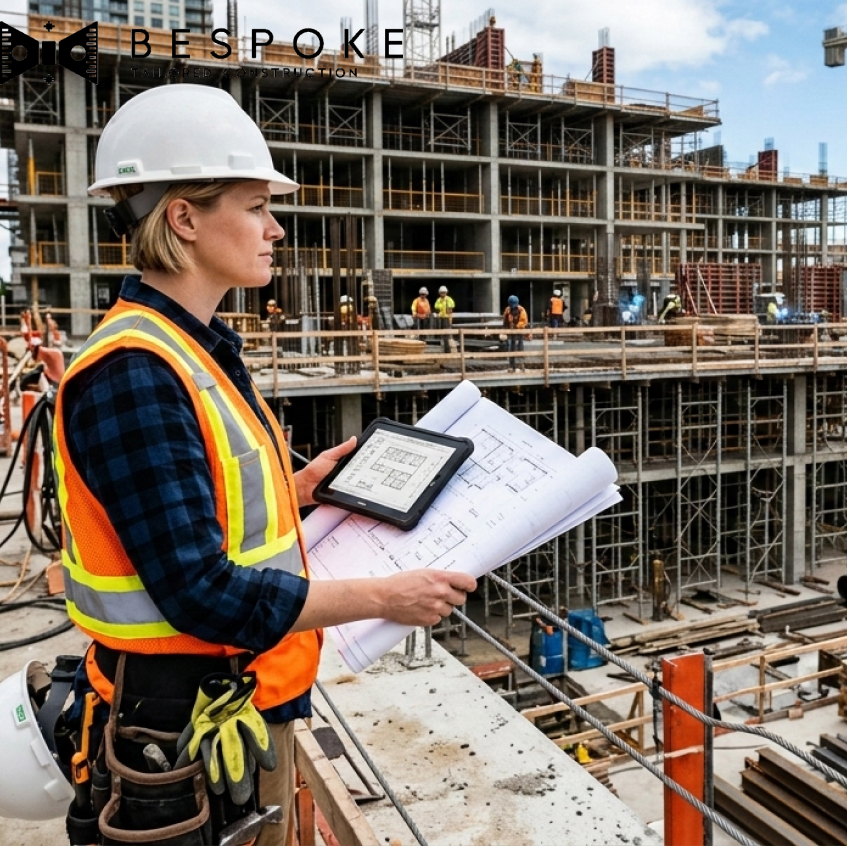
A construction manager serves as the primary leader for a building project, overseeing everything from initial planning and budgeting to the final inspection. This professional coordinates all parties involved, including architects, engineers, and subcontractors, to ensure the project finishes on schedule and within the financial limits set by the owner. By managing resources, schedules, and safety protocols, the construction manager minimizes risks and prevents the costly delays that often plague large building sites.
Professional construction management provides a structured approach to complex building tasks. This article details the specific responsibilities of this role and explains why this expertise is necessary for successful commercial and residential projects. With decades of experience in the Berkeley, CA area, this guide offers an authoritative perspective on how these professionals drive project success through technical knowledge and leadership.
Project Planning and Budgeting
Before any ground breaks, a construction manager establishes the project’s foundation through detailed planning. This phase involves creating a realistic budget that accounts for materials, labor, permits, and contingencies. A study from the Bureau of Labor Statistics notes that construction managers are responsible for estimating costs and setting the project’s timeline, which requires a deep understanding of market rates and labor availability.
Once the budget exists, the manager develops a master schedule. This document outlines every phase of construction, from excavation to the final coat of paint. Effective scheduling prevents different trades from working on top of each other, which reduces accidents and wasted time.
Bonus Tip: Construction managers should always include a ten percent contingency fund in every budget to cover unexpected site conditions or material price spikes.
Coordination and Communication
The construction manager acts as the central hub for information. Owners often have a vision but lack the technical knowledge to communicate it to a framing crew. Conversely, subcontractors might face technical hurdles that the owner does not understand. The manager translates these needs into actionable instructions.
This role includes:
- Organizing regular progress meetings with all stakeholders.
- Reviewing blueprints and technical specifications to ensure feasibility.
- Obtaining necessary permits and ensuring compliance with local Berkeley, CA, building codes.
- Managing contracts and negotiating with suppliers to secure the best prices.
On-Site Management and Safety
When physical work begins, the manager transitions to the field. Monitoring the site daily is necessary to ensure that subcontractors follow the design plans exactly. If a structural beam is off by even an inch, it can cause a ripple effect that delays the entire project. Construction managers catch these errors early.
Safety oversight is another critical part of site management. The manager enforces federal and state safety regulations to protect workers and the property owner from liability. Data provided by the Occupational Safety and Health Administration highlights that the construction industry faces high risks, making the manager’s role in hazard identification and prevention essential for a legal and safe workplace.
Managing Risks and Quality Control
Risk management involves identifying potential problems before they happen. This could mean anticipating weather delays or recognizing that a specific material has a long-lead time. By planning for these issues, the manager keeps the project moving forward.
Quality control is the standard of excellence maintained throughout the build. The manager inspects the work at various intervals to ensure it meets the owner’s expectations and legal requirements. This includes checking the quality of concrete pours, electrical wiring, and plumbing installations before walls are closed.
Comparing Responsibilities
The following table clarifies the differences between the owner’s role and the construction manager’s role in a typical project.
| Project Task | Property Owner Role | Construction Manager Role |
|---|---|---|
| Funding | Provides the capital | Tracks spending and manages the budget |
| Design | Approves the aesthetic vision | Reviews designs for buildability |
| Scheduling | Sets the desired end date | Creates the daily and weekly timeline |
| Subcontractors | Selects the primary team | Manages and supervises all trades |
| Permits | Holds the legal title | Coordinates the application and inspection |
| Quality | Defines the final goal | Conducts inspections at every stage |
Hiring Local Construction Management
Selecting a professional in a specific area like Berkeley, CA offers distinct advantages. A local construction manager in Berkeley, CA understands the specific soil conditions, seismic requirements, and municipal permit processes unique to the region. This local knowledge prevents delays that outsiders might face when dealing with local government offices or specialized regional building requirements.
Professional construction management helps navigate the complexities of Berkeley home construction management by ensuring that residential projects follow the strict environmental and zoning laws of the area. This local expertise is often the difference between a project that finishes on time and one that gets stuck in legal red tape.
Bonus Tip: When hiring for Berkeley projects, always ask for a manager’s experience with the local building department to gauge how smoothly they can handle the permit process.
Things to Consider Before Making a Decision
Before hiring a construction manager, owners should evaluate several factors to ensure they select the right partner for their specific needs.
- Experience with Your Project Type: A manager who excels at commercial construction management might not be the best fit for a custom home build. Ensure their portfolio matches your project’s scope.
- Communication Style: You will speak with this person almost daily. Choose someone who provides clear, direct updates and uses modern project management software.
- Local References: Check with past clients in your area to verify the manager’s ability to meet deadlines and stay within budget.
- Licensing and Insurance: Verify that the professional holds all necessary state licenses and carries adequate liability and workers’ compensation insurance.
- Technical Proficiency: Ensure the manager understands modern building technologies, such as energy-efficient systems and sustainable materials.
Understanding Market Trends
The demand for skilled oversight is growing. A report from Statista indicates that the total value of new construction in the United States reached over 2.1 trillion dollars recently. As projects become more expensive and technologically advanced, the need for professional managers to protect these investments becomes more apparent.
Owners are increasingly looking for building project management services that incorporate green building practices. Managers now must stay educated on LEED certification and other sustainable standards to meet the modern demands of the market.
Common Questions Regarding Management
Many owners wonder how this role differs from a general contractor. While a general contractor usually oversees the physical labor and employs the workers directly, a construction manager acts as a consultant or representative for the owner. The manager often gets involved much earlier in the design phase, providing advice that can save money on materials and labor before a contractor is even hired.
Another common question is whether a manager is necessary for smaller projects. For simple renovations, a contractor might suffice. However, if the project involves structural changes, multiple trades, or strict permit requirements, a manager’s oversight pays for itself by preventing expensive mistakes.
Answers to Frequently Asked Questions
Does a construction manager hire the subcontractors?
Yes, the manager typically handles the bidding process. They review quotes from various subcontractors and recommend the best options to the owner based on price and quality. A firm like Bespoke Tailored Construction manages these subcontractor relationships to ensure the project stays on track.
What is the difference between a project manager and a construction manager?
A project manager often handles the broad aspects of a project, including land acquisition and financing. A construction manager focuses specifically on the physical building process and site operations. Both roles are important but have different focuses.
How do construction managers get paid?
Most managers charge either a flat fee or a percentage of the total project cost. This fee structure aligns their interests with the owner’s, as they are motivated to keep the project efficient rather than inflating the cost of materials.
Can a construction manager help with green building?
Yes, many managers specialize in sustainable practices. They can suggest materials that reduce energy costs and help the project earn certifications for environmental friendliness.
What happens if the project goes over budget?
The manager’s job is to notify the owner as soon as a budget risk appears. They provide options for cost cutting in other areas to balance the finances or explain why an increase is necessary for the project’s integrity.
Summary of Management Value
A construction manager provides the leadership necessary to turn a set of blueprints into a finished structure. By handling the logistics of budgeting, scheduling, and safety, they allow the property owner to focus on their primary goals without getting bogged down in the daily stress of a construction site. Evaluating your specific needs, the complexity of your site, and your long-term goals will help you determine the level of management required for your build. Always look for a professional who demonstrates a high level of organization and a clear understanding of local building requirements.
Work with Experts
For those seeking professional construction management in the Berkeley area, Bespoke Tailored Construction offers expert guidance for both residential and commercial projects. To discuss an upcoming build or to learn more about management services, contact the team directly at (925) 260-9657 or send an email to daman@bespoketc.com. Bespoke Tailored Construction focuses on delivering high-quality results through clear communication and precise project oversight.
Sources
- Bureau of Labor Statistics – Bureau of Labor Statistics
- Occupational Safety and Health Administration – Occupational Safety and Health Administration
- Statista – Statista