Skip to content
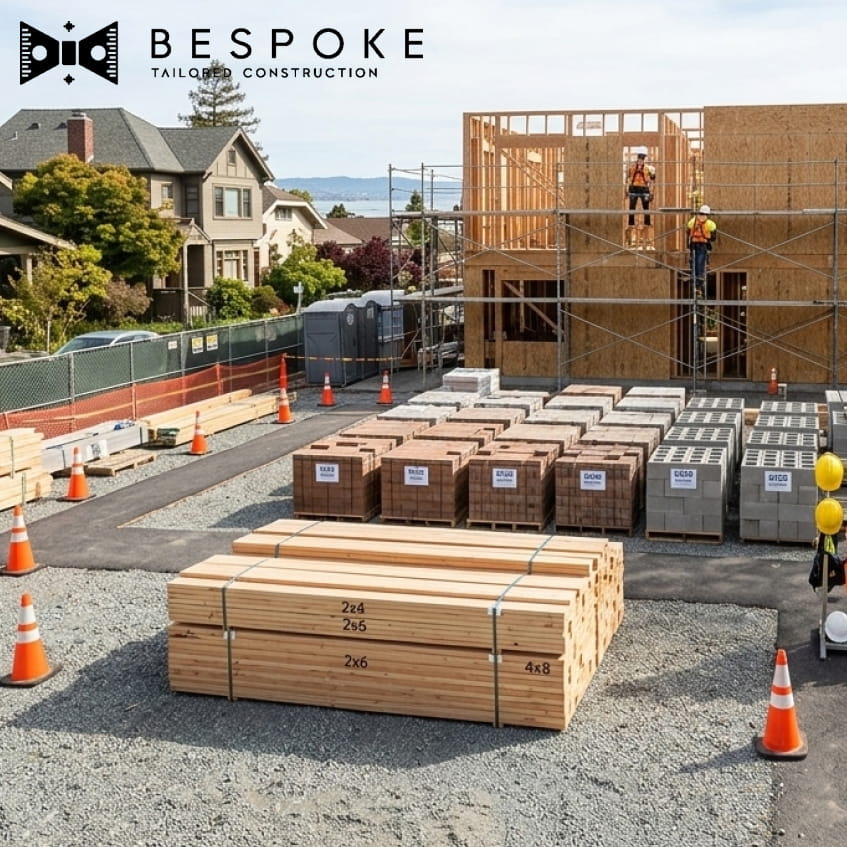
The choice between a design-build firm and a general contractor depends primarily on how much risk and administrative work a property owner wants to manage. For most Berkeley homeowners, the design-build model is better if they prefer a single point of responsibility and a faster construction timeline. A general contractor is often better for owners who have already finished their architectural plans or want to maintain completely separate checks and balances between the designer and the builder.
Selecting the right delivery method determines the project budget, the speed of completion, and the level of daily stress for the owner. This guide provides a detailed look at how these two systems function within the specific regulatory environment of the East Bay. The information here comes from years of practical field experience and industry standards to help property owners make a confident decision for their next project.
Design Build Process Explained
In the design-build model, the property owner signs a single contract that covers both the design phase and the physical construction. This creates a unified team where the architects and the builders work for the same entity from the first day. This arrangement eliminates the common situation where a builder discovers that an architect’s plans are too expensive to build after the homeowner has already paid for the designs.
According to the Design-Build Institute of America, this method often leads to faster project delivery because construction can begin while some final design details are still being finished. This overlapping of phases is known as fast-tracking. In a city like Berkeley, where permit queues can be long, having a builder involved during the design phase helps ensure that the plans meet local building codes and seismic requirements without needing multiple revisions.
Bonus Tip
When using a design-build firm, ask to see their internal communication logs. A high-quality firm will have a documented system for how the design team and the field crew share information to prevent errors before they happen on-site.
General Contractor Services Explained
The traditional method is often called Design-Bid-Build. In this scenario, the homeowner hires an architect to create a full set of blueprints. Once those plans are complete and approved by the city, the owner sends them to several general contractors to get bids. The general contractor is responsible only for executing the plans provided by the owner.
The general contractor Berkeley owners hire in this model serves as the manager of subcontractors, such as plumbers and electricians. This setup provides a system of checks and balances. Since the architect is independent of the contractor, they can act as the owner’s representative, inspecting the work to ensure it matches the original design intent. However, if the plans have errors, the general contractor may charge extra fees, known as change orders, to fix the issues.
Core Differences Between Project Delivery Methods
Understanding the structural differences between these two options helps clarify which one fits a specific project’s needs.
| Feature | Design-Build | Design-Bid-Build (General Contractor) |
|---|---|---|
| Number of Contracts | One contract for both design and labor | Two or more separate contracts |
| Cost Estimates | Provided early during the design phase | Provided after the design is 100% finished |
| Responsibility | The firm handles all errors and omissions | The owner manages disputes between architect and builder |
| Timeline | Generally faster due to overlapping phases | Symmetrical and linear |
| Owner Involvement | High in the beginning, lower during construction | High throughout the entire process |
Design Build Benefits
The main advantage of this approach is the removal of the owner from the middle of disputes. If a window does not fit the opening, the design-build firm must fix it because they designed the opening and ordered the window. There is no finger-pointing between separate companies.
Data from the Construction Industry Institute indicates that design-build projects experience significantly less cost growth compared to traditional methods. This happens because the person building the project provides real-time pricing while the drawings are being made. This prevents the “sticker shock” that happens when a finished architectural design ends up costing double the owner’s actual budget.
Bonus Tip
Homeowners in Berkeley should look for firms that specialize in Hill Area Residential Preparedness. The local topography adds unique engineering requirements that a unified design and construction team can handle more efficiently than separate entities.
General Contractor Pros and Cons
Hiring a general contractor is a tried and true method that offers certain advantages for specific types of owners.
Pros
- Competitive Bidding: Owners can take a finished set of plans and compare prices from multiple contractors to find the lowest price.
- Independent Oversight: The architect works for the owner, not the builder, providing an extra set of eyes on the quality of the work.
- Defined Scope: Since the plans are finished before the contract is signed, the scope of work is very clear from the start.
Cons
- Communication Gaps: Information can get lost between the architect’s office and the job site.
- Adversarial Relationships: If the plans are flawed, the contractor and architect may blame each other, leaving the owner to pay for the resolution.
- Delayed Pricing: The owner does not know the true cost of the building until months after they have started paying for the design.
Things to Consider Before Making a Decision
Before choosing a path, property owners should evaluate several factors that will impact the success of the project.
- Budget Certainty: Does the project have a strict financial ceiling? Design-build usually offers better cost control from the start.
- Time Constraints: Is there a hard deadline for moving in? The overlapping nature of design-build can save several weeks or months.
- Design Complexity: For highly custom, experimental architecture, some owners prefer a separate architect to ensure the artistic vision is not compromised by construction convenience.
- Administrative Capacity: How much time can the owner spend acting as a referee? Traditional contracting requires the owner to manage multiple professional relationships.
Common Questions
Many residents wonder if one method is always cheaper than the other. While the American Institute of Architects provides frameworks for both, neither is guaranteed to be cheaper. Design-build saves money by reducing errors and change orders. Traditional contracting can save money through the competitive bidding process. The “better” price usually depends on the clarity of the initial project goals.
Another common concern involves the Berkeley permit process. Both types of professionals are capable of handling city submittals. However, a design-build firm often has a more streamlined process because they can adjust designs instantly to satisfy a permit technician’s requests without waiting for a third-party architect to respond to emails.
Practical Advice for Berkeley Property Owners
The Berkeley building department has specific requirements for seismic safety and energy efficiency. When interviewing professionals, check their familiarity with local zoning laws. A general contractor Berkeley residents trust will often have a deep roster of local subcontractors who understand the specific soil conditions and access challenges of East Bay neighborhoods.
Bonus Tip
Check the California Contractors State License Board to verify that any firm or contractor has an active license and workers’ compensation insurance. This is a non-negotiable step for protecting property value and personal liability.
Answers to Frequently Asked Questions
Can I switch from a general contractor to design-build mid-project?
It is difficult to switch once the design is finished. You would essentially be asking a design-build firm to adopt someone else’s plans, which removes many of the efficiency benefits of the unified model.
Who is responsible for construction defects in design-build?
The design-build firm carries the total liability. Because they provided both the plans and the labor, they cannot claim that the fault lies with another party.
Is the design quality lower in design-build?
Not necessarily. Many design-build firms employ high-end architects. The difference is that the architect works closely with the builder to ensure the design is actually possible within the established budget.
Does a general contractor provide a warranty?
Yes, California law requires contractors to provide a one-year warranty on workmanship, but the design-build model often provides a more integrated warranty that covers both the design logic and the physical execution.
Summary of Key Takeaways
The choice between these two methods comes down to a trade-off between control and convenience. Design-build offers a streamlined, low-stress experience with high cost certainty and faster completion. It is the modern standard for owners who value their time and want to avoid disputes. The traditional general contractor model offers independent oversight and the ability to shop for the lowest bid, but it places the owner in a management role that requires more time and carries more risk of litigation or budget overruns. Property owners should assess their own comfort level with project management before signing any contracts. Bespoke Tailored Construction recommends reviewing the specific needs of the property and the complexity of the local Berkeley terrain before deciding.
Expert Guidance for Berkeley Construction
Choosing the right partner for a home project is a major decision that affects your property for decades. For more information about how these processes work in the East Bay area, contact Bespoke Tailored Construction. The team is available to discuss the specific needs of your project and help you determine which delivery method aligns with your goals. You can reach the office at (925) 260-9657 or via email at daman@bespoketc.com to start a conversation about your Berkeley property.
Sources
- Design-Build Institute of America – A professional organization that defines project delivery standards and provides performance data for the design-build industry.
- American Institute of Architects – The leading professional body for architects, offering resources on traditional project delivery and contract structures.
- Construction Industry Institute – A research organization based at the University of Texas at Austin that analyzes construction productivity and cost-effectiveness.
- California Contractors State License Board – The state regulatory agency that licenses and regulates the California construction industry.