Skip to content
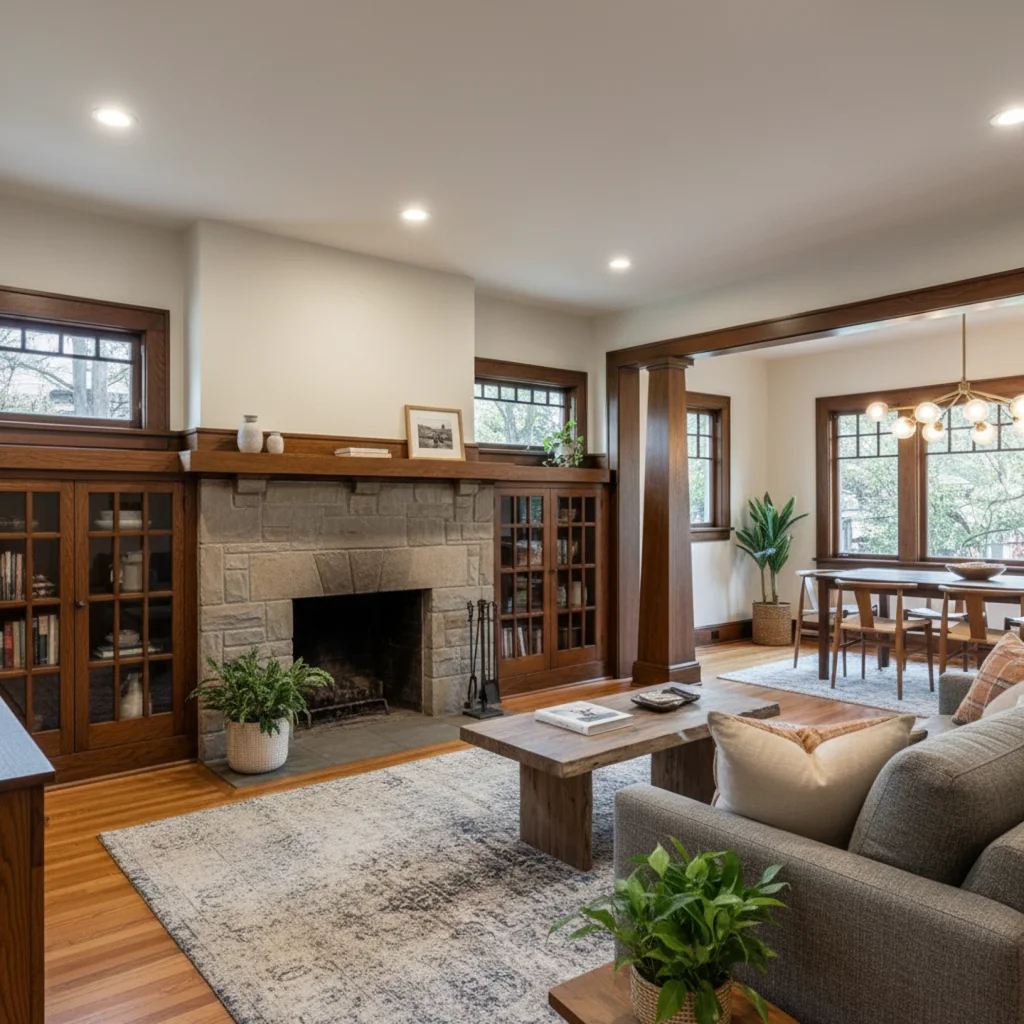
Successful home remodeling in Berkeley requires a delicate balance of seismic safety, historical preservation, and strict adherence to California’s evolving energy standards. Effective solutions prioritize structural integrity while seamlessly integrating modern functionality into diverse architectural styles such as Craftsman, Victorian, and Mid-Century Modern. To complete a project successfully, homeowners must carefully coordinate with local building departments to ensure full compliance with zoning laws and environmental regulations.
This guide provides a detailed look at the specific requirements for upgrading Berkeley residences, covering architectural integrity, structural mandates, and practical planning steps to help property owners make informed choices. Bespoke Tailored Construction applies these technical standards to every project to ensure long-term durability and aesthetic consistency.
Preserving Architectural Identity through Modern Updates
Berkeley’s rich history is reflected in several primary architectural archetypes, each requiring a tailored approach to renovation. Maintaining the original character of a home while adding modern conveniences requires a deep understanding of local history and design.
Craftsman and Bungalow Styles
Many Berkeley neighborhoods are defined by early 20th-century Craftsman homes, which often feature heavy wood trim, built-in cabinetry, and tapered columns. Remodeling these spaces typically involves restoring original woodwork while updating the electrical and plumbing systems hidden behind the walls. Incorporating natural materials like stone and dark woods helps maintain the original aesthetic.
Mid Century Modern Integration
The hills of Berkeley contain many homes from the 1950s and 60s that emphasize floor-to-ceiling glass and open floor plans. Renovating these properties usually focuses on improving thermal performance. Replacing single-pane glass with high-efficiency glazing is a common solution that preserves views while significantly reducing energy costs.
Victorian and Edwardian Restoration
Older homes in districts like West Berkeley or Elmwood often require intricate trim work and specialized foundation repairs. These projects frequently involve converting small, closed-off rooms into more functional living areas without damaging the ornate exterior details that define the style.
Structural Integrity and Seismic Safety
Safety is a primary concern for any Berkeley home remodeling contractor. Because the city sits near the Hayward Fault, structural upgrades are often the most critical component of a renovation project.
A report from the United States Geological Survey explains the high probability of significant seismic activity in the East Bay. This data makes seismic retrofitting a standard requirement for most major remodels.
Bonus Tip: If a project involves opening walls for a kitchen or bathroom remodel, use that opportunity to install shear walls and floor-to-shelf bolting. This reduces labor costs compared to performing a retrofit as a standalone project at a later date.
Kitchen and Bathroom Modernization Standards
Kitchens and bathrooms are the most frequently remodeled spaces because they offer the highest return on investment. According to data from Remodeling Magazine, mid-range kitchen and bathroom renovations in the San Francisco Bay Area consistently recoup a significant portion of their cost at the time of resale.
| Project Type | Common Berkeley Scope | Typical Timeline |
|---|---|---|
| Minor Kitchen Update | Cabinet refinishing, new appliances, and lighting upgrades | 4 to 6 Weeks |
| Major Kitchen Remodel | Layout changes, structural wall removal, custom cabinetry | 12 to 16 Weeks |
| Master Suite Addition | New foundation, plumbing extension, high-end finishes | 5 to 7 Months |
| Bathroom Renovation | Water-efficient fixtures, tile replacement, vanity update | 3 to 5 Weeks |
Berkeley’s building codes require specific water-efficient fixtures in all new bathroom projects. Installing low-flow toilets and faucets is not just a stylistic choice but a legal requirement to meet California’s conservation goals.
Energy Efficiency and Title 24 Compliance
Every major residential project in California must comply with the Building Energy Efficiency Standards. Information provided by the California Energy Commission indicates that these regulations aim to reduce energy consumption in both new and existing buildings.
For a Berkeley remodel, this means:
- Installing high-performance attic and wall insulation.
- Using LED lighting throughout the renovated area.
- Upgrading to energy-efficient windows that meet specific U-factor ratings.
- Implementing smart thermostats and high-efficiency HVAC systems.
Focusing on the building envelope is the most effective way to manage indoor temperatures in the Berkeley climate, where foggy mornings often transition into sunny afternoons.
Things to Consider Before Making a Decision
Before signing a contract or starting demolition, several factors influence the ultimate success and cost of a project.
- Zoning and Permits: The City of Berkeley has specific rules regarding floor area ratios and setback requirements. Check with the Planning Department to see if a design requires a Use Permit or an Administrative Use Permit.
- Infrastructure Age: Many Berkeley homes still have original clay sewer pipes or knob-and-tube wiring. Inspecting these systems early helps avoid unexpected costs mid-project.
- Drainage and Slope: For homes in the Berkeley Hills, managing water runoff and soil stability is essential. Foundation work in these areas often requires a geotechnical report.
- Material Lead Times: Custom windows and cabinetry can take months to arrive. Finalizing design choices early is vital to keep the construction schedule on track.
Solutions for Common Remodeling Challenges
Older homes often present surprises once construction begins. Addressing these issues with established engineering solutions prevents long-term damage and costly repairs.
Moisture and Mold Prevention
The East Bay’s humidity can lead to moisture buildup in crawlspaces. Installing vapor barriers and improved ventilation systems during a remodel protects the wooden framing of the house from rot and mold.
Maximizing Small Footprints
Many Berkeley lots are small, making traditional additions difficult. Solutions like converting an attic into a bedroom or creating an Accessory Dwelling Unit (ADU) provide extra space without expanding the home’s footprint significantly. Bespoke Tailored Construction specializes in optimizing existing square footage to improve livability within the city’s density constraints.
Bonus Tip: When planning a small space, use pocket doors instead of traditional swinging doors. This can save up to 10 square feet of usable floor space in tight bathrooms or hallways.
Solutions to Common Remodeling Questions
How long does the permitting process take in Berkeley?
For small projects, over-the-counter permits may be available. However, major structural changes or additions often take three to six months for review. The timeline depends on the complexity of the design and whether the home is located within a protected historical district.
Is seismic retrofitting mandatory?
While not always mandatory for minor cosmetic updates, the City of Berkeley strongly encourages retrofitting during any major renovation. Certain transfer-of-title rules or specific building types may trigger mandatory requirements.
What is the best way to maintain a budget?
Establish a 15% contingency fund. In older Berkeley homes, hidden issues like dry rot or outdated electrical panels often appear after the walls are opened. Having a financial buffer prevents the project from stalling when surprises arise.
Frequently Asked Questions
Can I change the exterior of my house if it is a historic landmark?
Modifying a designated City of Berkeley Landmark or a structure in a historic district requires approval from the Landmarks Preservation Commission. This process ensures that any changes remain consistent with the architectural heritage of the neighborhood and city.
What are the rules for ADUs in Berkeley?
Berkeley has adopted flexible rules for Accessory Dwelling Units to help meet local housing needs. Most residential lots allow for at least one ADU, provided they meet height and setback requirements. These units must also follow the same energy efficiency standards as the main house.
Do I need a structural engineer for a kitchen remodel?
If the remodel involves removing a wall to create an open-concept space, a structural engineer is necessary. They calculate the load-bearing requirements and design the appropriate beam and post system to ensure the house remains stable.
How does Berkeley’s climate affect material choices?
The coastal air and heavy seasonal rains mean that exterior materials must be exceptionally durable. Fiber-cement siding and high-quality paints are better suited for the local environment than traditional wood siding, which may require more frequent maintenance to prevent rot.
Evaluating Your Home Remodeling Goals
Planning a successful remodel in Berkeley involves more than just selecting finishes. It requires a technical understanding of the city’s unique architectural landscape and a commitment to modern safety standards. Property owners should prioritize structural health and energy efficiency alongside aesthetic upgrades.
Review the property’s specific needs, such as the age of the foundation and the condition of the roof, before starting cosmetic work. By focusing on quality materials and adherence to local codes, a renovation can provide a safer and more comfortable living environment for years to come. Evaluating long-term goals for the home ensures the chosen solutions match both the intended lifestyle and the budget.
Berkeley Home Remodeling Expertise
Bespoke Tailored Construction provides high-quality remodeling and construction services throughout the Berkeley area. For detailed information regarding project planning or technical requirements for a specific home style, contact the team directly at (925) 260-9657 or via email at daman@bespoketc.com. Whether the project involves a historic restoration or a modern addition, the focus remains on delivering durable and compliant results for every homeowner.
Sources
- United States Geological Survey -.United States Geological Survey
- Remodeling Magazine – Remodeling Magazine
- California Energy Commission – California Energy Commission