Skip to content
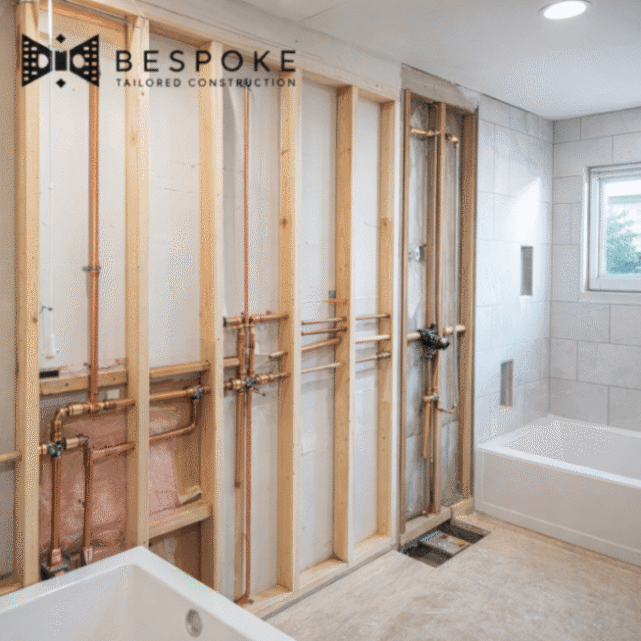
A full bathroom remodel typically requires three to six weeks of active construction time. This duration accounts for the physical labor involved in stripping the room to its studs and rebuilding it with new fixtures, finishes, and utilities. If the project involves structural changes, such as moving plumbing lines or expanding the footprint, the timeline often extends to eight weeks or more. These estimates represent the time when workers are physically present in the home and do not include the weeks spent in the planning and procurement phases.
Homeowners should anticipate an additional four to ten weeks for preparation before the first hammer swings. This pre-construction period involves design consultations, permit approvals, and ordering materials. A report from the National Kitchen and Bath Association indicates that the planning phase is often the most time-consuming part of the entire process, as custom cabinetry or specialty tiles can have significant lead times. Bespoke Tailored Construction focuses on these early details to help avoid mid-project stalls that occur when materials are not on-site when needed.
Typical Construction Phases and Timeframes
The construction process follows a logical sequence where each trade professional must complete their work before the next begins. Understanding these steps helps set realistic expectations for the daily progress of the site.
Demolition and Structural Prep
Demolition usually takes one to three days. This phase involves removing old tubs, toilets, vanities, flooring, and wall surfaces. If the subfloor or wall studs show signs of water damage or rot, additional time is needed for repairs. Correcting structural issues at this stage prevents future failures in the new finishes.
Rough-in Plumbing and Electrical
Once the walls are open, plumbers and electricians install new lines. This stage takes roughly two to four days. Moving a toilet or a shower drain adds complexity and time compared to simply replacing old pipes in their current locations. Electricians also install boxes for new lighting, outlets, and exhaust fans.
Inspections and Waterproofing
Building codes require inspections after the rough-in work is complete but before the walls are closed. Depending on the local building department’s schedule, this can take one to three days. Following a successful inspection, the installation of moisture-resistant wallboard and waterproofing systems for the shower takes another two days. Proper waterproofing is a non-negotiable step to protect the home from mold and structural decay.
Tiling and Flooring
Tiling is the most labor-intensive part of a bathroom remodel. It typically takes five to ten working days depending on the size of the room and the complexity of the tile pattern. Large format tiles may go up quickly, while intricate mosaics or subway tiles with many cuts require more precision and time. This phase also includes the drying time for thin-set and grout.
Bonus Tip: To minimize delays in this phase, ensure that all grout and tile selections are finalized and delivered at least one week before the tiling specialist arrives on-site.
Factors that Influence the Project Schedule
Several variables can either accelerate or delay a bathroom renovation. Recognizing these factors early allows for better scheduling and fewer surprises.
Material Availability and Lead Times
Ordering all materials before construction begins is the most effective way to keep a project on track. According to data published by HOUZZ, delays in product deliveries are a primary reason for project extensions. If a homeowner chooses a custom-built vanity or imported marble, construction should not start until these items are in the local warehouse.
Permit and Inspection Delays
Municipalities vary in their speed of processing permits and conducting inspections. Some cities allow for same-day inspections, while others may require a week of lead time. These waiting periods are often outside the control of the contractor and must be factored into the overall timeline.
Bonus Tip: Check with the local building department about current backlogs before setting a start date. This simple step can prevent the bathroom from sitting empty for a week while waiting for an inspector.
Complexity of Design
A simple “pull and replace” remodel where fixtures stay in the same location is much faster than a total layout change. Moving the “wet wall” where the main plumbing sits can add a full week to the plumbing phase alone. High-end features like steam showers or radiant floor heating also require specialized installation steps and additional drying times for floor leveling compounds. The following comparison illustrates how these various factors scale across different project types.
Comparison of Remodel Scopes
The scale of the project directly dictates the time required on the calendar. The following table illustrates the differences in time requirements and typical scope for various bathroom projects.
| Project Type | Construction Duration | Planning Duration | Complexity Level |
|---|---|---|---|
| Cosmetic Refresh | 1 to 2 Weeks | 2 to 4 Weeks | Low: Paint, hardware, and surface fixtures. |
| Standard Full Remodel | 3 to 5 Weeks | 4 to 8 Weeks | Moderate: Full gut with existing layout. |
| Large Master Suite | 6 to 9 Weeks | 8 to 12 Weeks | High: Custom tile, double vanities, and lighting. |
| Structural Expansion | 10+ Weeks | 12+ Weeks | Extreme: Relocating walls, plumbing, and HVAC. |
Things to Consider Before Making a Decision
Before committing to a start date, homeowners should evaluate their living situation and the specific needs of their household. These factors influence how the renovation impacts daily life and long-term satisfaction.
- Primary Bathroom Access: If the home only has one bathroom, a full remodel requires a plan for temporary housing or a portable restroom solution. Construction is loud and dusty, making it difficult to occupy the home during heavy work.
- Decision Fatigue: Every detail, from the grout color to the height of the shower head, must be decided. Making these choices during construction often leads to delays. It is better to have every specification finalized before demolition.
- Budget vs. Speed: Faster timelines often come with higher labor costs. If the goal is to finish quickly, hiring a full-service firm that coordinates all trades is more efficient than managing individual subcontractors.
A study from Forbes Home suggests that labor accounts for a significant portion of the total cost, and specialized labor for custom work takes more time to schedule. Bespoke Tailored Construction suggests that homeowners prioritize their must-have features early to see how they affect the schedule.
Common Questions About Bathroom Timelines
Can the project be finished in one week? While some companies offer “one-day” or “one-week” bath liners or surface refreshes, a true remodel that involves plumbing and tile cannot be completed correctly in seven days. Shortcuts in drying times for waterproofing or grout often lead to leaks and failures within a few years.
Does a small bathroom take less time than a large one? Not necessarily. A small bathroom still requires a plumber, an electrician, a tile setter, and a painter. Because the space is cramped, only one person can usually work at a time. This physical limitation often means a small bathroom takes just as long as a larger one where multiple trades can work simultaneously.
Bonus Tip: When choosing paint, select a product specifically designed for high-moisture environments. These paints dry and cure differently than standard wall paint, often requiring 24 hours before the shower can be used for the first time.
Frequently Asked Questions
Why do tiles take so long to install?
Tile installation is a multi-step process. It involves floor leveling, applying a waterproof membrane, laying the tile, letting the adhesive set for 24 hours, applying grout, and then sealing. Each step requires specific drying times that cannot be rushed without compromising the quality of the finish.
Will there be workers in the house every single day?
In a perfectly scheduled project, yes. However, there are “quiet days” where nobody is on-site. These days occur when the project is waiting for an inspection or when materials like grout or floor leveler need to dry completely before the next step begins.
How does moving plumbing affect the schedule?
Moving a drain or supply line requires cutting into the subfloor or the concrete slab. This adds labor for the demolition, the plumbing installation, and the subsequent repair of the floor before the new finishes can be applied. It typically adds three to five days to the rough-in phase.
Should I stay in my home during the remodel?
Living in the home is possible if there is another functional bathroom. However, homeowners should prepare for significant noise, dust, and the presence of workers from early morning until late afternoon. If the remodel involves the only bathroom, staying elsewhere is necessary.
Summary of Expectations
A bathroom remodel is a sequence of specialized tasks that require time to execute correctly. Most standard projects wrap up within three to six weeks, provided that all materials are available and no major structural surprises appear during demolition. Successful renovations rely on thorough planning and a commitment to following the proper technical steps, especially regarding waterproofing and plumbing.
Homeowners should focus on clear communication and detailed preparation. By finalizing designs and ordering products well in advance, the construction phase can proceed with fewer interruptions. Evaluate the specific needs of the household and choose a scope of work that aligns with both the desired timeline and the long-term goals for the property.
Professional Renovation Services
Managing a bathroom remodel requires careful coordination of various trades and schedules. Bespoke Tailored Construction provides detailed project management to keep renovations moving forward efficiently while maintaining high standards of craftsmanship. For more information on scheduling or to discuss a specific project in the East Bay area, contact the office at (925) 260-9657 or reach out via email at daman@bespoketc.com. Expert planning helps turn a complex renovation into a predictable and successful home improvement.
Sources
- National Kitchen and Bath Association – Professional organization providing industry standards and research on kitchen and bath renovation timelines.
- HOUZZ – A leading platform for home remodeling that tracks consumer data and project duration trends.
- Forbes Home – Provides economic analysis and cost-to-time breakdowns for residential construction projects.